Table Of Content

Here, experts break down what ingrowns are, exactly, and share tips on how to get rid of ingrown pubic hairs. Plus, you'll find simple steps you can take to prevent them from sprouting again. If you have chronic ingrown hair problems, it might be best to avoid shaving altogether. Instead, consider permanent ways to remove hair, like laser treatments or electrolysis. Although quite not permanent, depilatory methods, which include liquid or cream treatments like Nair, can produce long-lasting results as well. If you often develop infected ingrown hairs, the doctor may take a skin sample for testing.
Medical Professionals
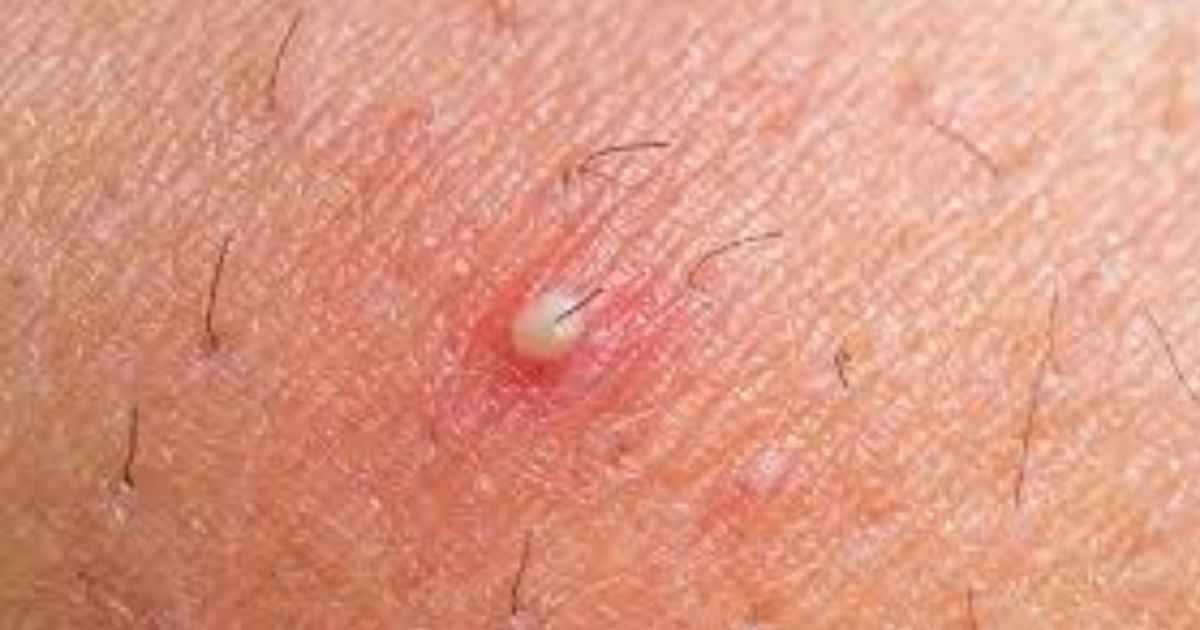
If the ingrown hair bump is causing you severe irritation and pain, you should stop waxing, shaving, and tweezing the hair in that area. These hair removal techniques are the major causes of ingrown pubic hair. If you stop removing your pubic hair, you’ll also lower your chances of developing a skin infection.
How to Treat an Ingrown Hair Cyst
They could be folliculitis, which is a bacterial infection in the hair follicle that isn’t caused by an ingrown hair. This typically resolves on its own, but extreme cases might require a trip to your local doctor's office. Every day, gently rub around the ingrown hair bumps in a circular motion.
Teresa's Cancer Survivor Story CDC - CDC
Teresa's Cancer Survivor Story CDC.
Posted: Fri, 23 Aug 2019 19:12:26 GMT [source]
The Main Causes of Ingrown Pubic Hairs
Although exfoliation is recommended as a way to prevent ingrown hairs, you should not exfoliate if you currently have an ingrown hair 1. Some doctors believe that ingrown hairs also cause pilonidal cysts. These pockets of hair and skin debris usually happen at the base of your tailbone, between your buttocks. If your pubic itching is severe, persistent, or worsening despite home treatment, make an appointment to see your healthcare provider. This is especially true if you have signs of an infection, such as increased redness, pain, and swelling accompanied by fever and a pus-like discharge.
The chances of an infection increase if you scratch or pick at the sensitive area. Your health care provider may also suggest steroid creams to help reduce inflammation. If the ingrown hair is near the surface of the skin, a person may be able to use sterile tweezers to gently pull the hair out. Here are some frequently asked questions about ingrown pubic hair.
They can give you antibiotics and other treatments to keep the infection from spreading and prevent scarring. If ingrown hair infections recur or are severe, you may have an underlying condition that needs medical treatment. For a severe infection, they can prescribe medication to treat it and coax the hair out. For example, prescription steroid creams can reduce inflammation, and prescription-strength antibiotic creams can treat the infection. Home remedies can often treat ingrown hairs, even if the affected area becomes infected.
How to Treat Different Types of Ingrown Hair Cyst
Boils will start out small but can grow as big as a golf ball. A warm compress can help soothe the skin if you have cysts, pimples, or bumps caused by irritation, Dr. Greves says. It may even help open up your pores if you’re dealing with something like an ingrown hair. Just soak a clean cloth in warm water, squeeze out the excess liquid, and apply it to the affected area for up to 15 minutes.
Ingrown Hair Vagina Facial - Haven Spa Expert Advice - Refinery29
Ingrown Hair Vagina Facial - Haven Spa Expert Advice.
Posted: Wed, 08 Nov 2017 08:00:00 GMT [source]
Someone once told me that “no one gets syphilis anymore,” which…no. Primary and secondary syphilis rates (the most infectious stages of the STD) actually increased by about 11% between 2018 and 2019, according to CDC data9. Sometimes syphilis presents as a painless chancre, or a round, open sore on your genitals. “During a primary syphilis outbreak, it’s usually just one sore that's about the size of a dime or smaller,” Dr. Dweck says. Since condoms don’t always protect against syphilis, it’s key to get tested regularly.
When to See a Doctor
Simple home remedies like gentle exfoliation and warm compresses can provide relief, while more severe cases may require medical intervention. Practicing good grooming habits and getting professional help to prevent complications like infections or scarring is necessary. As with psoriasis, see a dermatologist to help with treating eczema in the genital area.
They can help identify the culprit and prescribe the right course of treatment. When new hair forms, if the hair follicle is closed up, hair can't grow out of the follicle and through the skin. It’s also important to keep the area clean and moisturized.
Vaginal boils are a common skin infection that usually resolves with at-home care. Speak with your healthcare provider if you are concerned about a boil near your vagina. They will be able to recommend the best treatment for you and ensure you have the support you need.
There’s a purpose for all the many clusters of hair that grow on our skin. If you’re dealing with an STI or you suspect you have one, it’s even more important to see your doctor as soon as you can. While some STIs, like herpes, are not curable, there are medications that can help shorten outbreaks and lower the risk you’ll pass it on to a partner. Scabies is caused by a tiny burrowing mite called Sarcoptes scabiei.
When you have thick or curly hair, you can get a type of ingrown hair called pseudofolliculitis. The hair that grows back has a sharper edge, so it can more easily poke back through your skin and get trapped under the surface. This article looks at nine possible causes of itchy pubic hair, including how they are treated. It also explains when it's time to see a healthcare provider if at-home treatments fail to provide relief. Shaving your nether regions almost inevitably leads to pesky ingrowns, but you're not doomed. Here's how to get rid of ingrown pubic hairs and prevent them from coming back.
According to the National Health Service (NHS) in the UK, a person can draw out an ingrown hair by using an exfoliating scrub. Sometimes, skin cells and a fibrous substance called keratin, a protein in hair and nails, collect within the lump. An ingrown hair is a strand of hair that grows into, rather than out of, the skin. A doctor may only recommend treatment if the cyst seems infected or is causing issues such as pain.
Gently lift the hair loop until one end releases from your skin. If an ingrown hair becomes infected, you may notice the bumps getting bigger and more painful. The beard area of your face (neck, cheeks and chin), legs, armpits and pubic area (bikini line and inner thigh) are most likely to develop ingrown hairs. However, they may also appear on other parts of your body, including your scalp, chest, back, abdomen, inside of your nose (nostril), eyebrows and buttocks (butt).
Squeezing an ingrown hair will increase the risk of infection. If an infection is present, squeezing the bump may worsen it. Infected ingrown hairs can be uncomfortable, but most clear up on their own in 7–10 days with good hygiene. Never pick or pop an infected ingrown hair, as this also increases the risk of complications.


No comments:
Post a Comment