Table Of Content
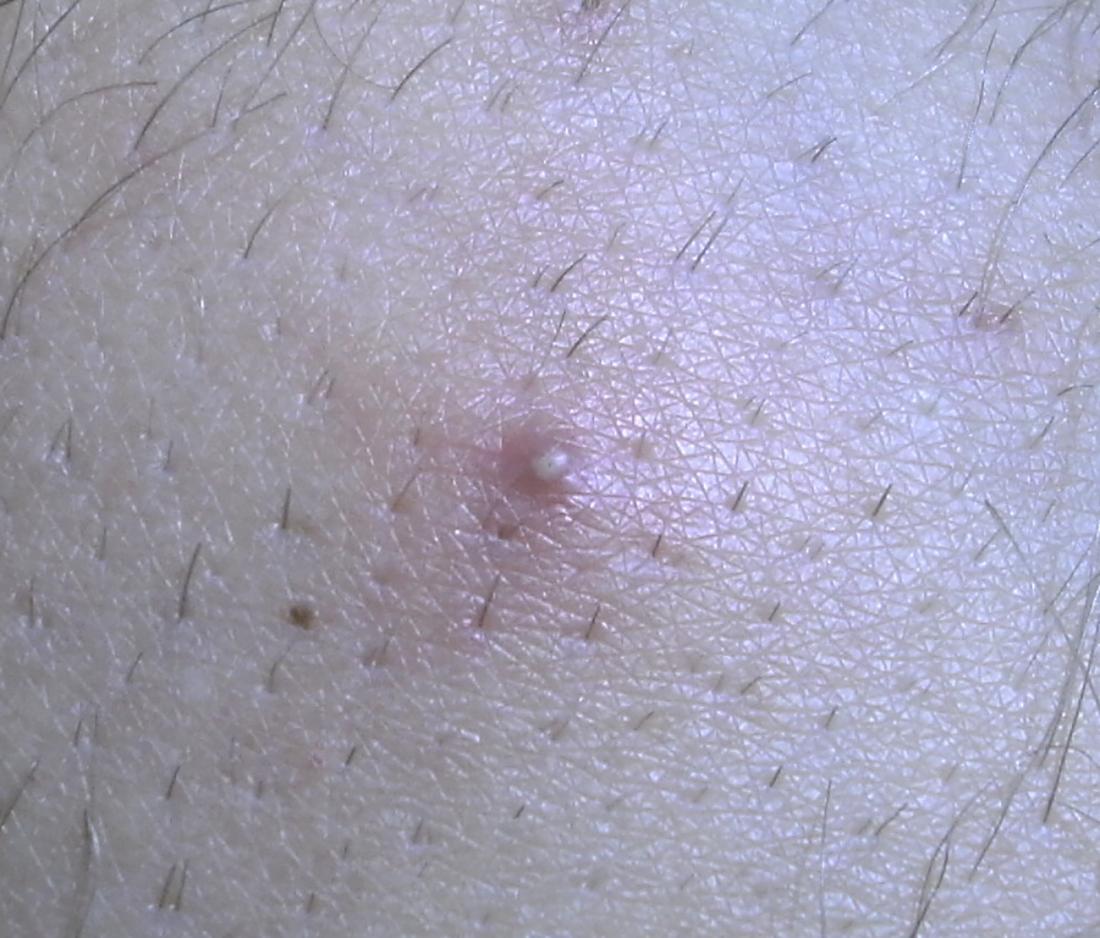
Just follow the guidance above so, hopefully, you don't have to deal with an ingrown pubic hair again. It will make an infection more likely and can lead to scarring. They happen when the skin blocks the emergence of a hair from the follicle, or when a hair grows back into the skin.

Symptoms
How to Shave Pubic Hair: Tips to Prevent Razor Burn on Vagina - Glamour
How to Shave Pubic Hair: Tips to Prevent Razor Burn on Vagina.
Posted: Mon, 03 Apr 2023 07:00:00 GMT [source]
But they’re especially annoying when they pop up in more sensitive areas, like in your pubic area. Chemical hair removers are an option but can irritate sensitive skin. Consider testing the product on a small patch on another part of your body before using it on your pubic area.
Red Bumps When My Hair Grows Back
“The hair, instead of growing out from the root, begins to burrow back into the skin,” Pai explains. This is why curly and coarse hair types are most susceptible — the natural growth pattern of this kind of hair means it tends to curl on its own. “When the hair begins to burrow back in, it causes the body to launch an inflammatory reaction against the hair as if it were a splinter or another foreign body,” Pai says.
What causes ingrown pubic hairs?
Those with curly or coarse hair are more prone to getting them because their hair tends to curl back into the skin. Shaving, waxing, or plucking hair can also increase the chances of getting ingrown hairs because it creates sharper edges that can easily penetrate the skin. Apply an over-the-counter topical acne treatment such as benzoyl peroxide at the first sign of an ingrown hair. This can help kill the bacteria that is growing under the skin. Be sure to wash the affected area and your hands with soap and water before applying the medication and let it soak in completely.
Try a Hydrocortisone Cream

Even though you may have never heard of molluscum, you might have gotten this little known sexually transmitted infection without realizing it. Although doctors sometimes see it in children, it can also be passed along by adults through sexual contact. “If you have molluscum, multiple little red bumps with a crater in the middle may appear [on the vulva],” Dr. Dweck says. They can be super tiny or as large as the bottom of a pencil eraser, and they usually show up in adults whose immune systems are weak, according to the Mayo Clinic11.
Infections can occur if a person does not treat the hair or if they have a weakened immune system. If exfoliation isn’t working, do not try to break the skin and pull the hair out on your own. “Warm compresses and topical corticosteroids can help treat ingrown hairs,” Jeffery Fromowitz, MD, a board-certified dermatologist in Boca Raton, Florida, tells Woman's Day. The first thing to do is stop your hair removal ritual after you notice the presence of an ingrown hair.
Pubic Ingrown Hair Treatments That Work, According to Dermatologists
"A warm compress is a really nice home remedy," Dr. Greves says. Ingrown hairs in general typically take one or two weeks to properly heal, according to the Cleveland Clinic. When your hair curls back into your skin, the body responds with an inflammatory reaction, according to Cedars Sinai. Alternatively, a person could try inserting the edge of the tweezers under the loop and gently pulling it upward. Gently wash and exfoliate around the area to help the hair return to the surface of the skin. Try not to pluck it out completely until the area is healed, or the skin will heal over the hair again.
Use the razor on your pubic hair only.
Many people call these bumps razor bumps or razor burn, and their medical name is pseudofolliculitis. You should tell your healthcare provider if you develop a boil when you are pregnant. Pregnancy does not cause boils, but certain hormonal and immune system changes could contribute to boils during pregnancy. Apply a warm compress to the area several times a day to encourage the boil to drain. Depending on your symptoms and the size of the boil, your healthcare provider may prescribe antibiotics. A boil can develop on the labia (lips of the vagina), in the pubic region (where pubic hair grows) or in the vulvar area around your vagina.
Will an ingrown pubic hair go away on its own?
Use a wet washcloth or an exfoliating glove to help the ingrown hair return to the surface. Exfoliating can remove any dead skin cells, dirt, and oils that might be trapping the ingrown hair under the surface. If a person has concerns about ingrown hairs, or if they experience symptoms of an infection, it is best to contact a doctor for advice. The doctor may recommend antibiotics or other treatments. First, the Mayo Clinic recommends that you stop shaving, tweezing, or waxing until things clear up.
Because of the low risk of infection, trimming is the way to go if you have a weakened immune system due to diabetes, chemotherapy, or another medical reason. It’s done by a professional who places a tiny needle with an electric current in the hair follicle. You can try to pull out the ingrown hair using a sterile needle and tweezers. Use the needle to expose the tip of the hair and the tweezers to pull the end of the hair out of the skin.
Most ingrown hair infections resolve in time with good hygiene, and over-the-counter creams may also help. Picking at the hair can increase the risk of an infection spreading or worsening. If the infection becomes severe, a doctor may recommend antibiotics or other treatment. If you continue having infected ingrown hairs in the same area, such as your face, you might consider other methods of hair removal, such as laser treatment. Of course, not all bumps around the groin area are automatically ingrown hairs.


No comments:
Post a Comment